Acclimatize before Discovery!
All the places in Ladakh are located above the altitude of 10,000 feet.
Altitude can be categorized into the following scales –
- High (8,000 – 12,000 feet [2,438 – 3,658 meters])
- Very High (12,000 – 18,000 feet [3,658 – 5,487 meters])
- Extremely High (18,000+ feet [5,500+ meters])
So take precautions before you land in Leh or even if you are going by road from a close by city to Leh.
- Srinagar – Leh– 434 Km
- Manali – Leh –473 Km
- Srinagar – Kargil– 204 Km
- Delhi – Leh– 1047 Kms
- Leh – Kargil– 234 Km
- Kargil – Padum (Zanskar)– 240 Km
- Leh – Deskit (Nubra Valley)– 118 Kms.
Tips for acclimatization:
- No over exertion
- Apt hydration(not too much as it can cause hyponatremia, confusion, weakness, seizures or coma and not too less)
- Keep warm and dry
- Consume Carbohydrate rich diet
- Preventive AMS medicines too which can be consumed after consulting a doctor.
Now that you are acclimatized we shall start the journey to the “land of high passes”. Best time to visit is in the months of: June-September.
Stop 1: Hall Of Fame
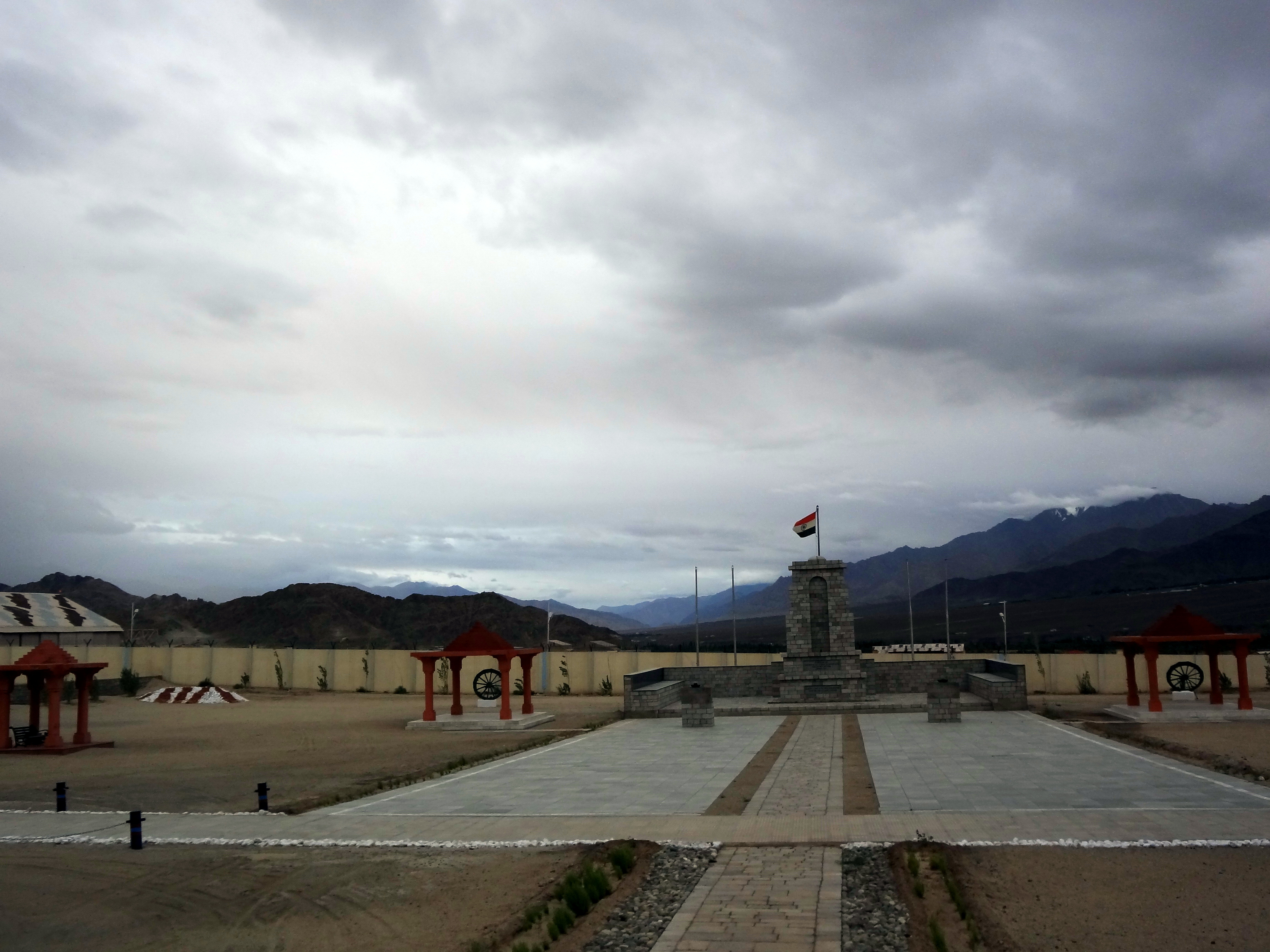
Hall of Fame
This place has a great attention to detail to the stories of brave soldiers in a very tough terrain. Knowledgeable personnel on duty would explain various items on display or the history behind it. You can watch the documentary also. Do check out its timings before going there.
STOP 2: Confluence of Indus and Zanskar River
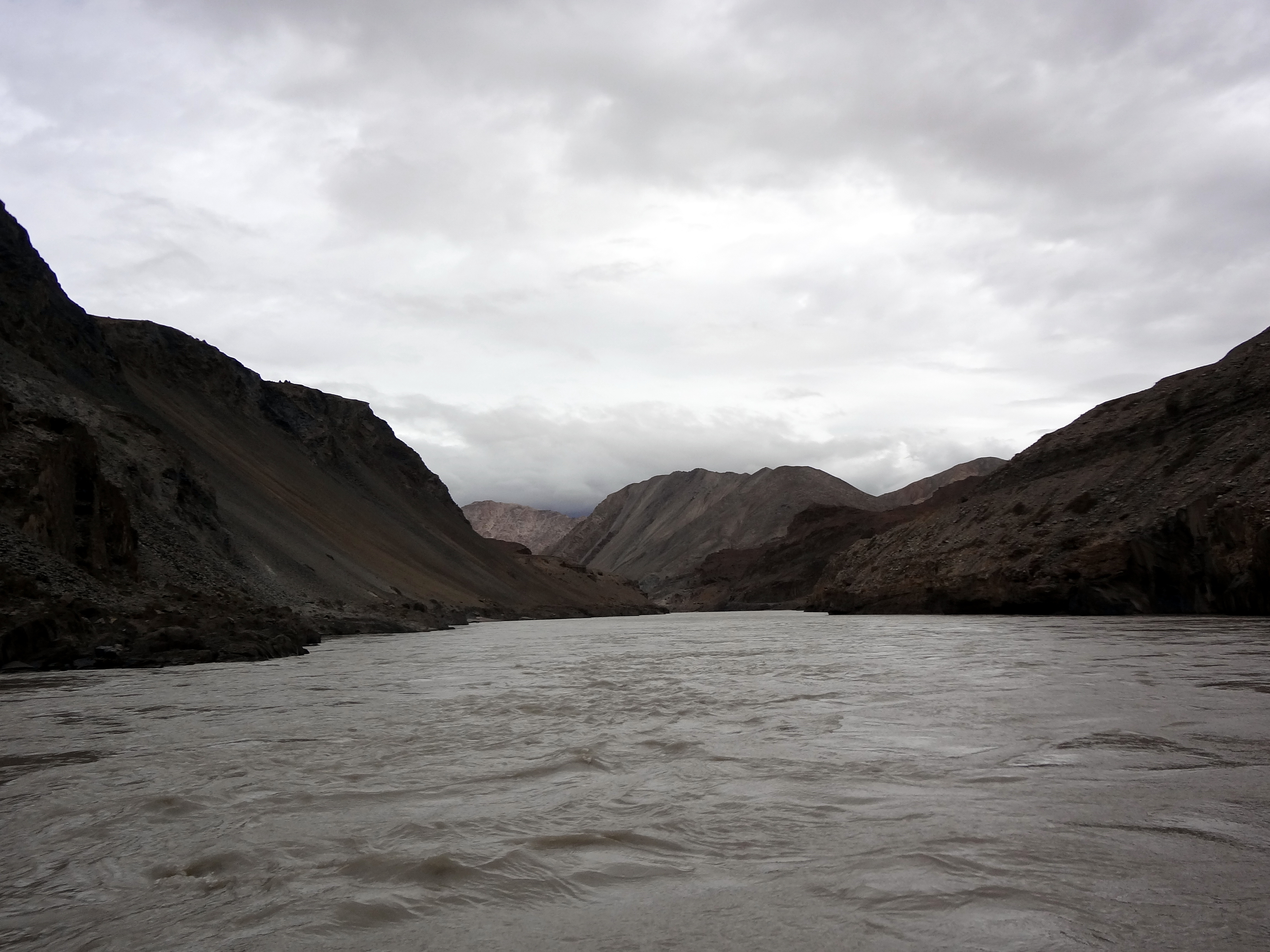
Confluence point (Sangam Point)
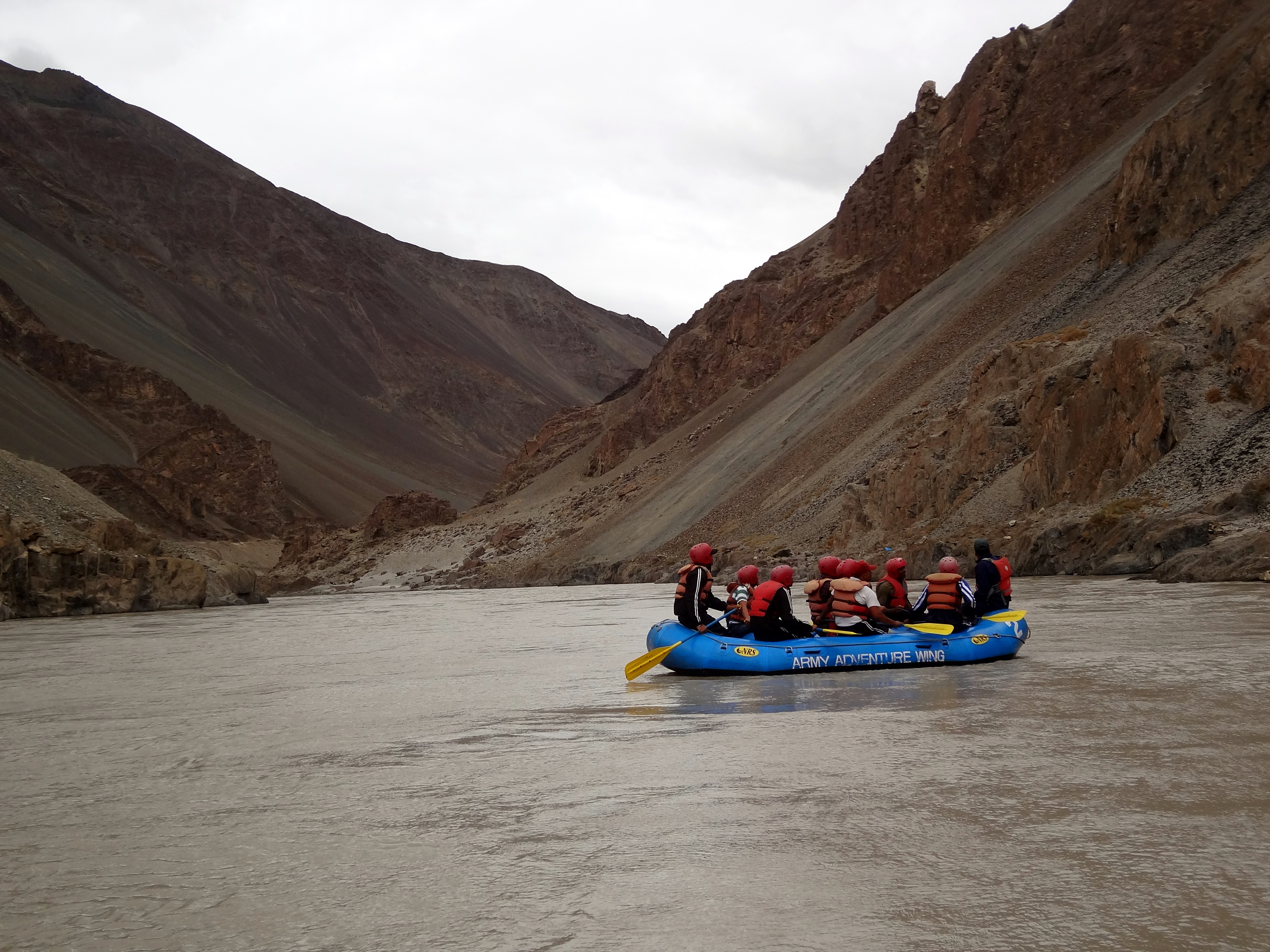
River Rafting Experience
Here you can see the river change it’s color as they merge.You can actually see the confluence of the shiny blue (Indus) and slit laden murky water of (Zanskar).In winter, the Zanskar, instead of being the fast mountain river slows down and starts to freeze, thus making the flow very less, while the Indus moves relatively fast and with a lot of ice floating on it.
STOP 3:Alchi Dam
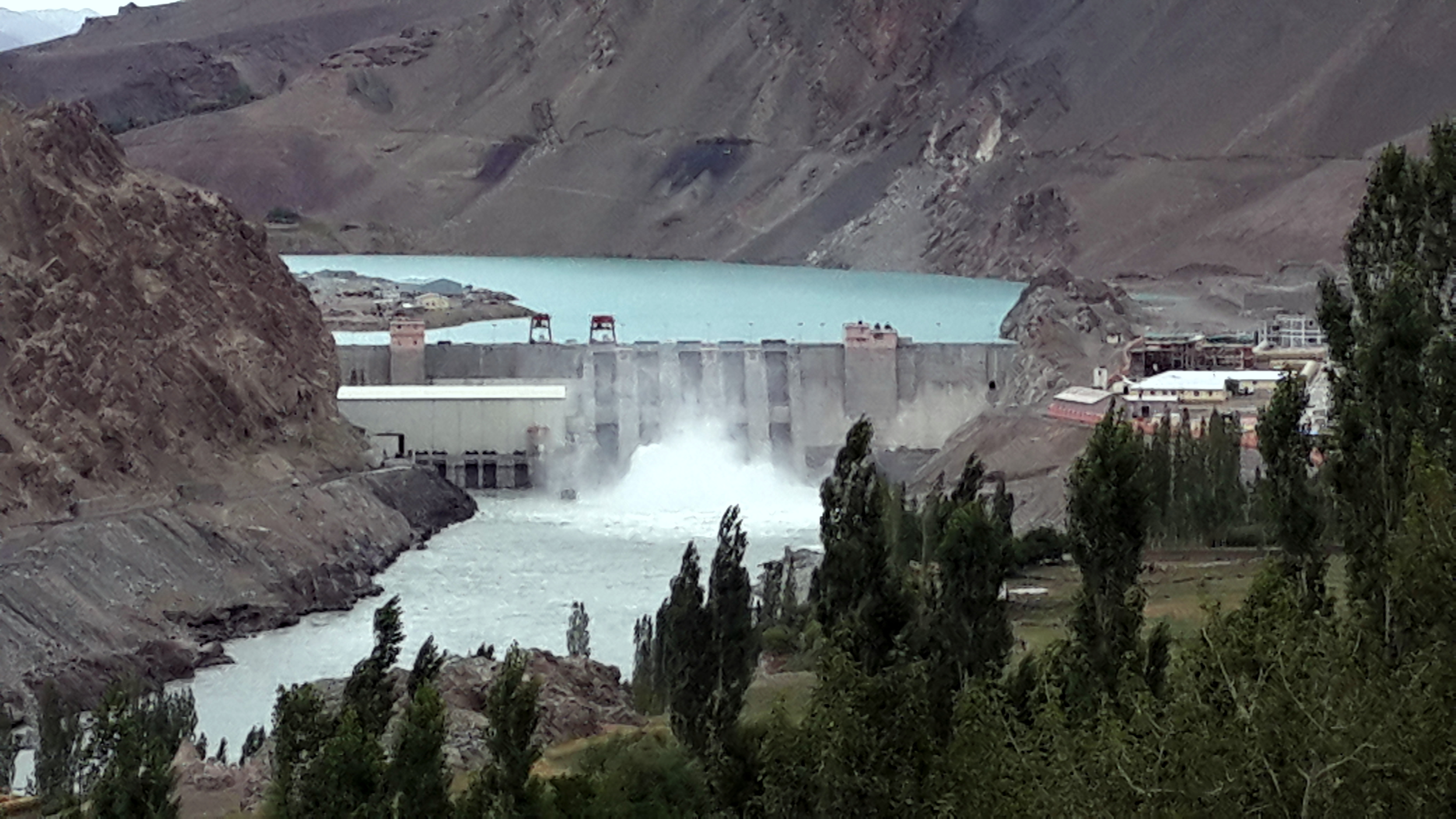
Alchi Dam
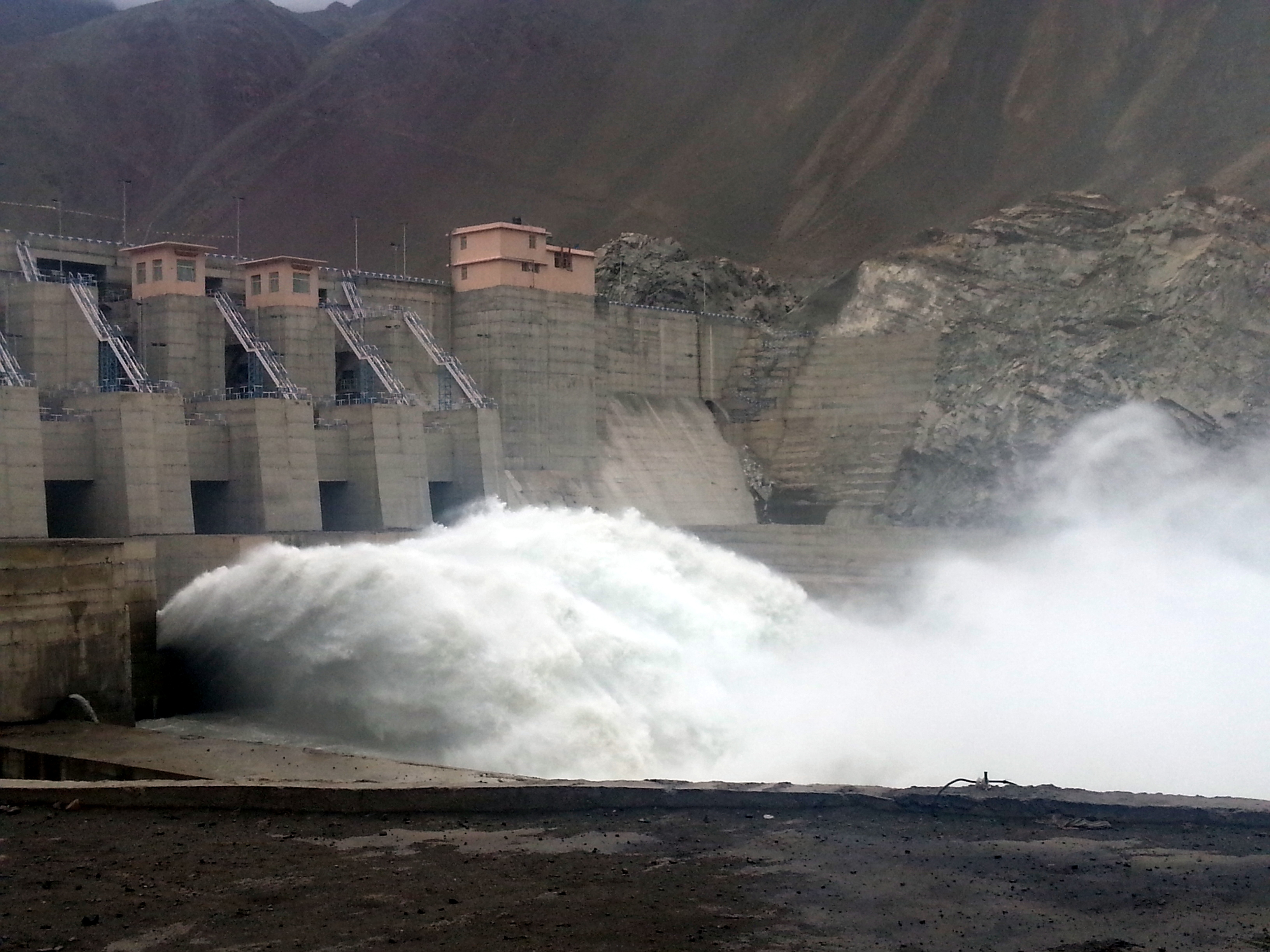
All the Gates open!
Village Alchi, in the Leh district of Ladakh is a famous tourist place with most of the tourists visiting the Buddhist monastery here, known for the great murals. Nimmo-Bazgo dam, that has come up near this village is a 57 meter high concrete gravity dam. It has 3 nos. of 3.3 meter diameter penstocks to carry the water to 3 Nos. of turbines with 15 MW capacity. All the water released from turbines would flow back in to bed of river Indus. This dam also is one of the highest hydel power projects in the world, located at over 10,000 feet above sea-level.
STOP 3: Moonland
“The moon on earth is a rare sight and Lamayuru offers you just that.”
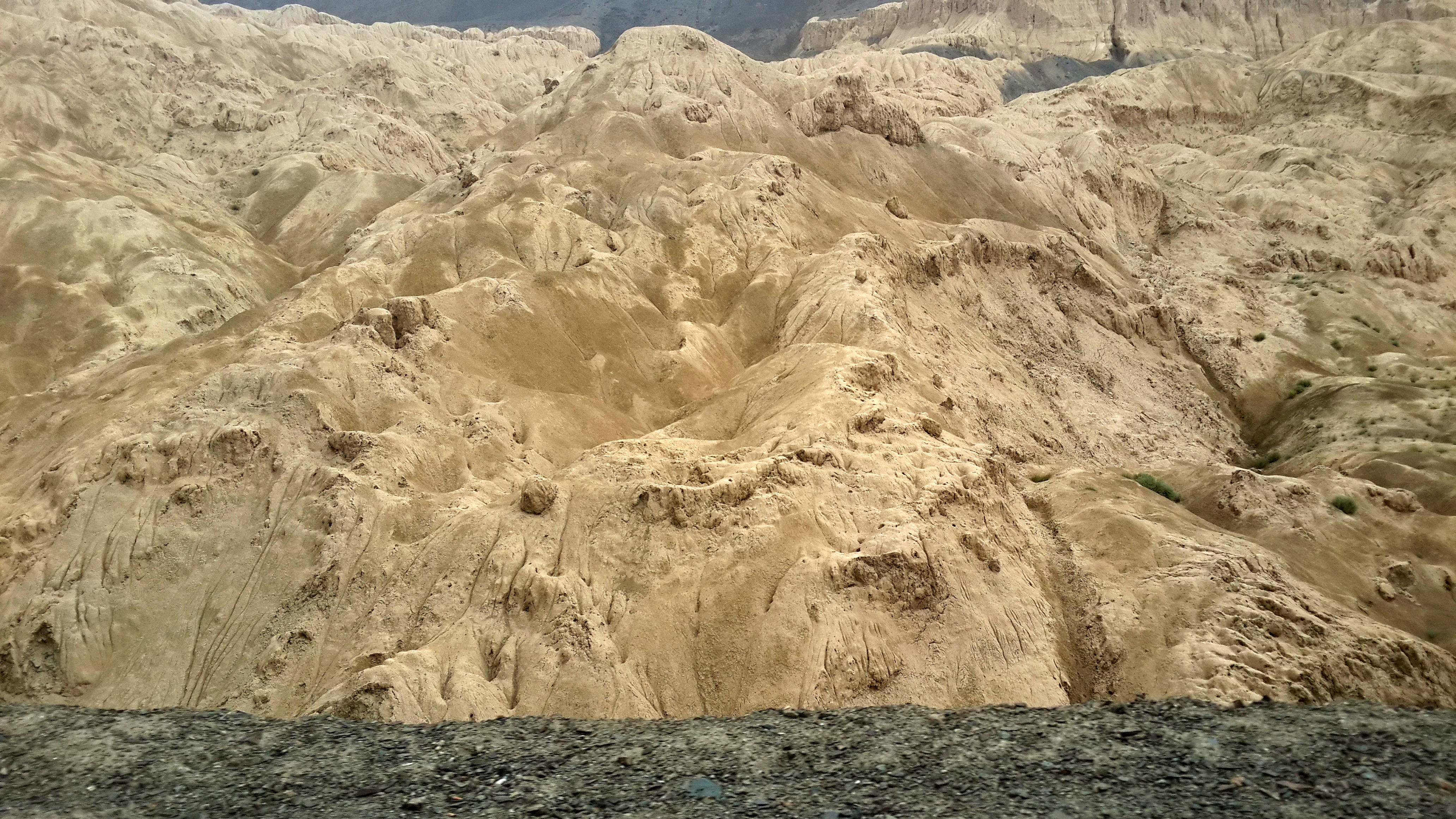
Moonland
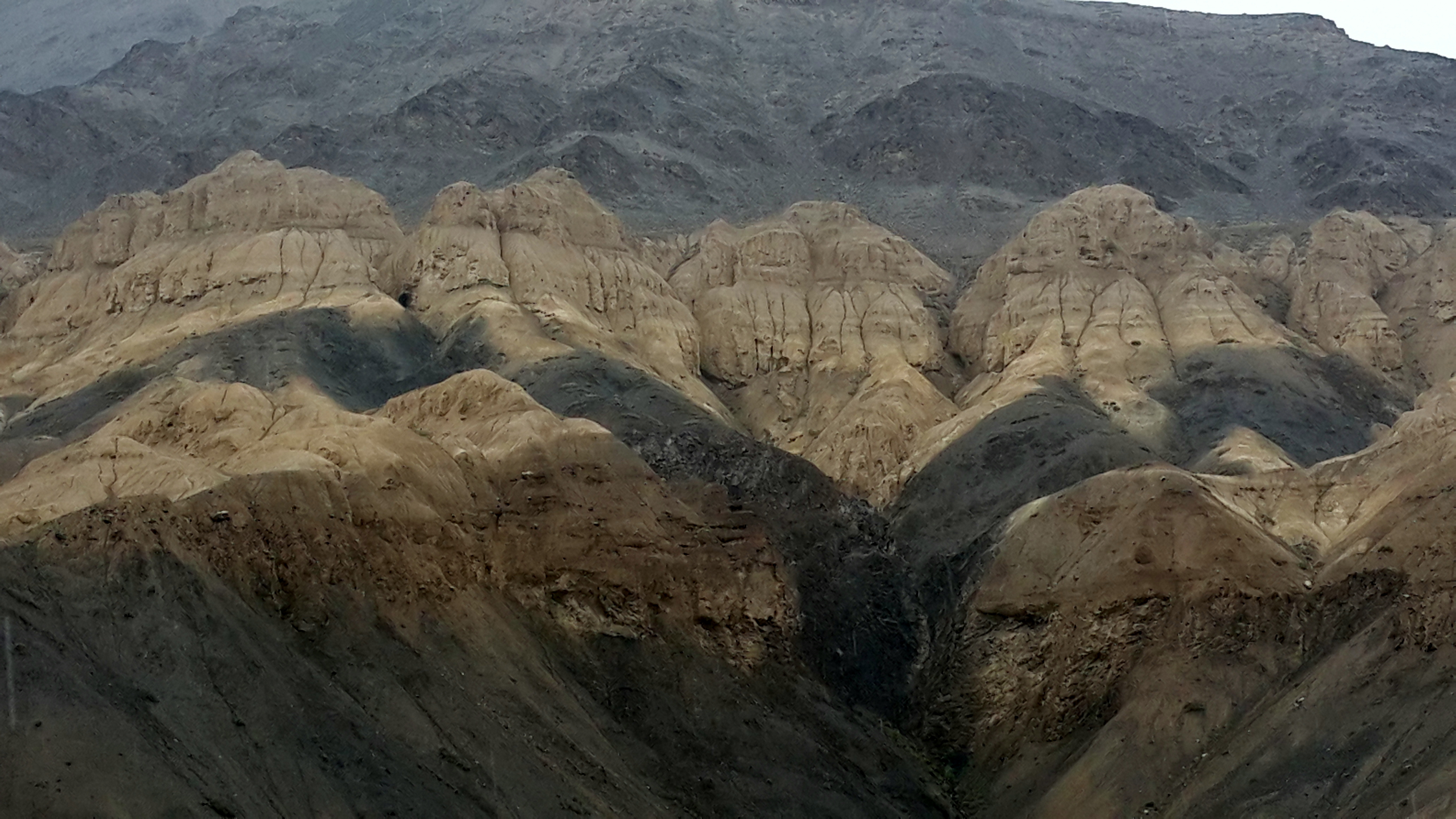
Check out the formations!
The sand dunes cling to the valley in the shape that it looks like craters of the Moon. This scintillating drive to the Lamayuru Monastry will leave u dumbstruck.
STOP 4: Lamayuru Monastry

View from the Lamayuru Monastry
This is one of the oldest monastries in Ladhak. Lamayuru is the host to two annual masked dance festivals in the second and fifth months of the Tibetan lunar calendar, when all the monks from these surrounding gompas gather together to pray.
The mountain is engraved with the name : Yuru. It says “Welcome Yuru”
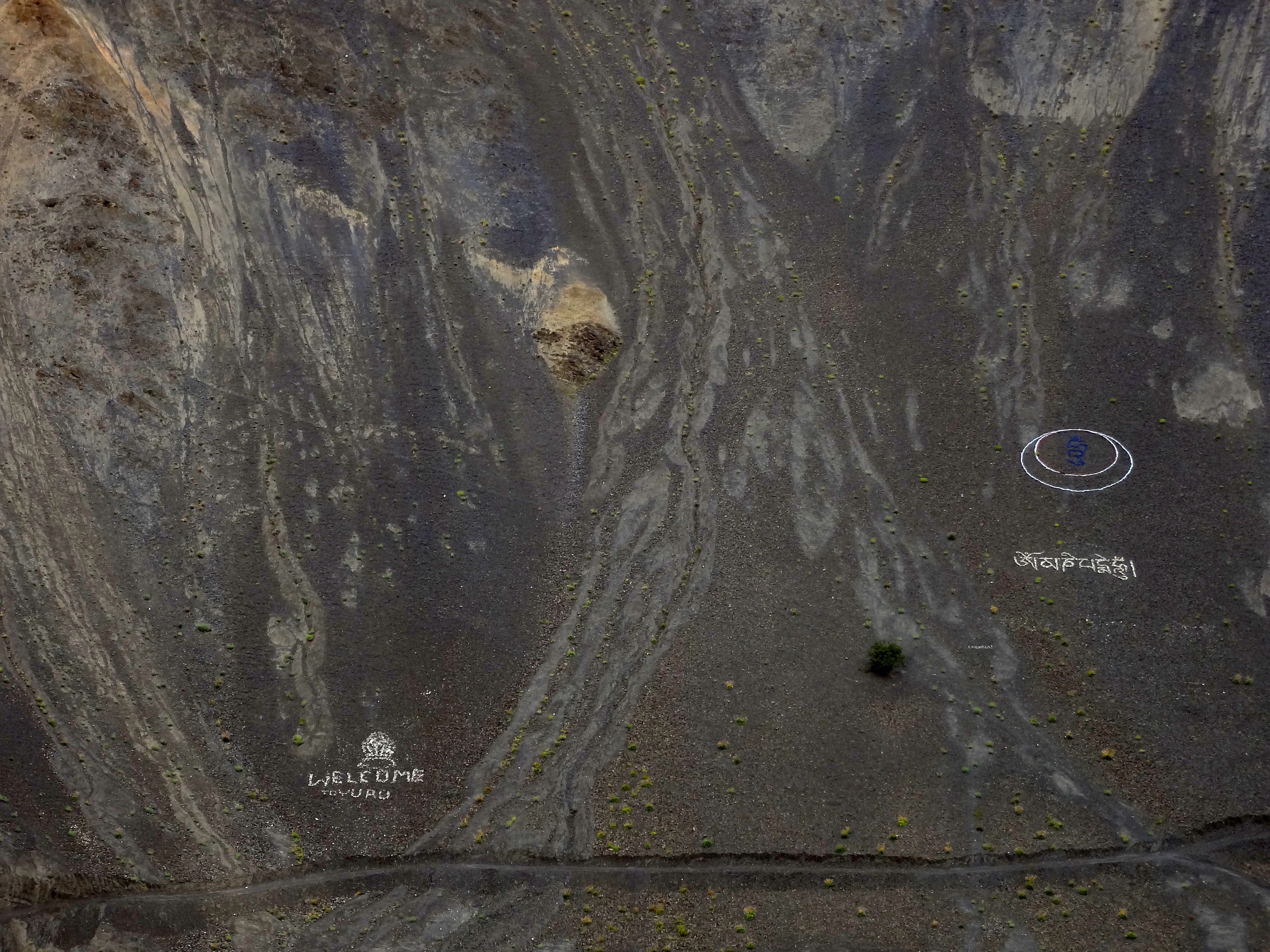
Yuru
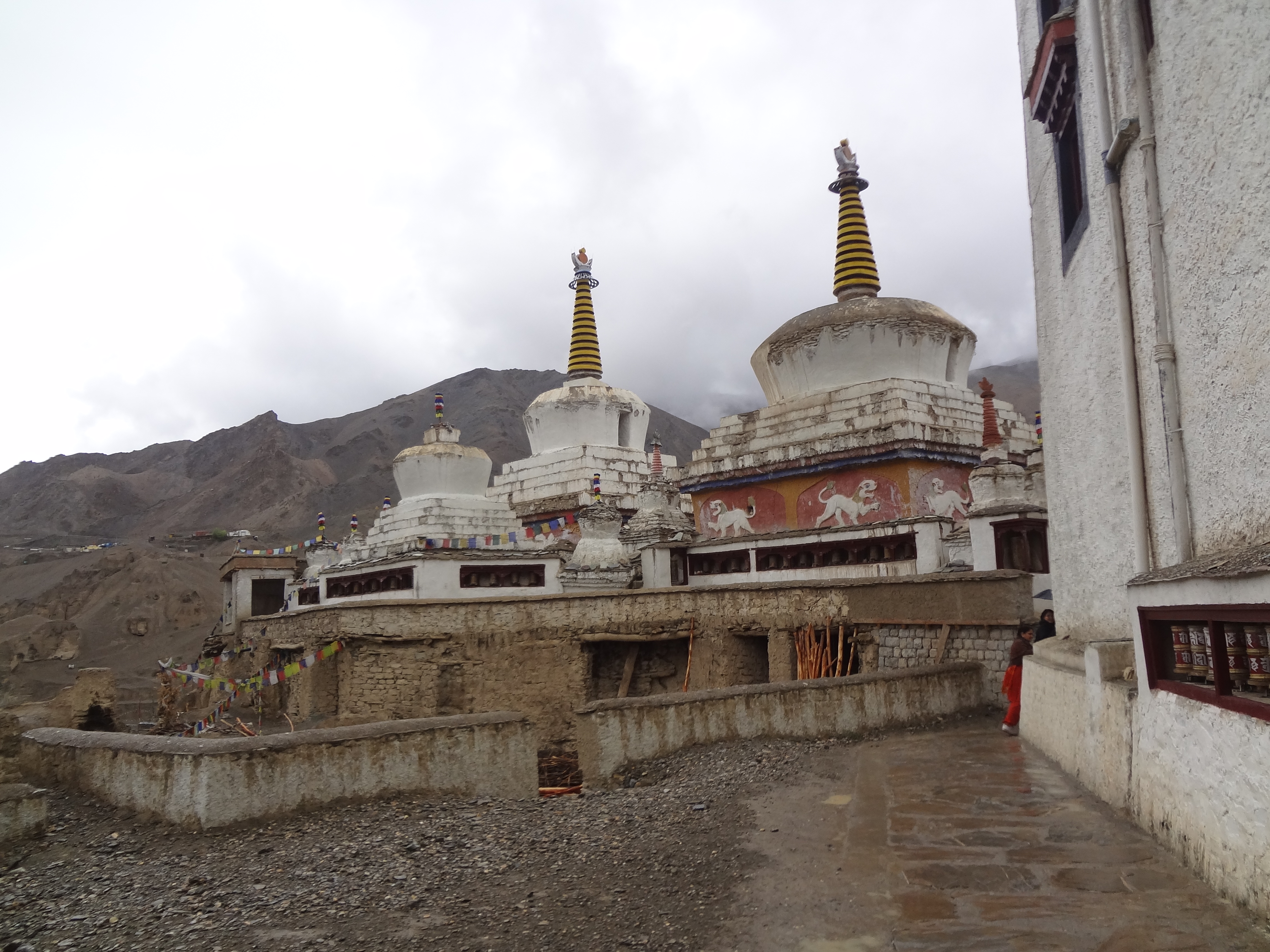
Monastry
Each morning Tibetans offer a lighted butter lamp, representing the illumination of wisdom, along with seven bowls containing pure water (or symbolic offerings of washing water, drinking water, flowers, scent, perfumed water, food, and sound) before the images on their household shrine. The butter lamp usually being placed between the fourth and fifth bowls. At funeral ceremonies or when visiting temples and going on pilgrimage to sacred sites, Tibetan Buddhists often light a large number of butter lamps together at one time.
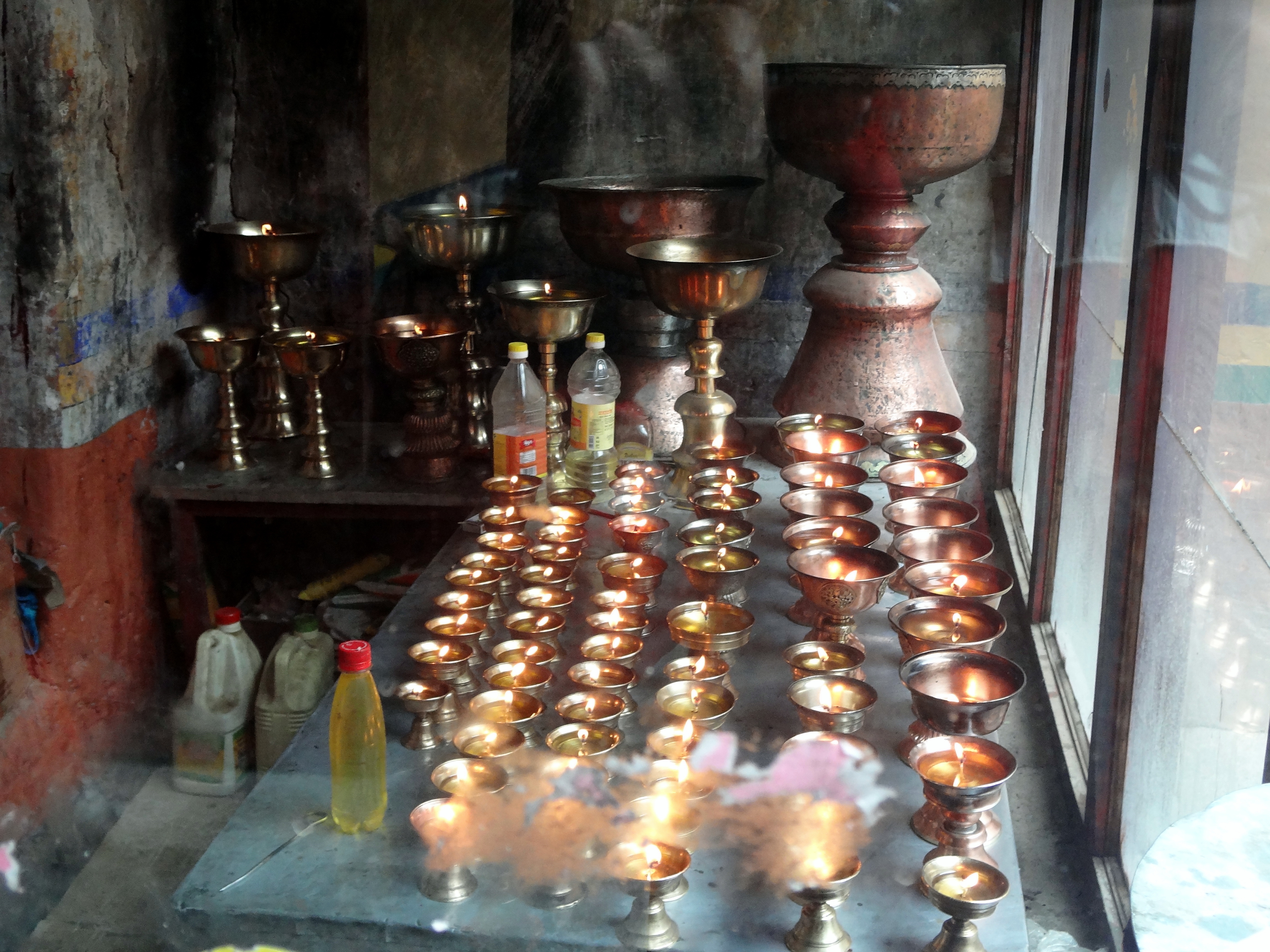
Butter Lamps
The Prayer Wheel, where the mantra Om Mani Padme Hum is written in Sanskrit on the outside of the wheel.According to the texts on prayer wheels, prayer wheels are used to accumulate wisdom and merit (good karma) and to purify negativities (bad karma).
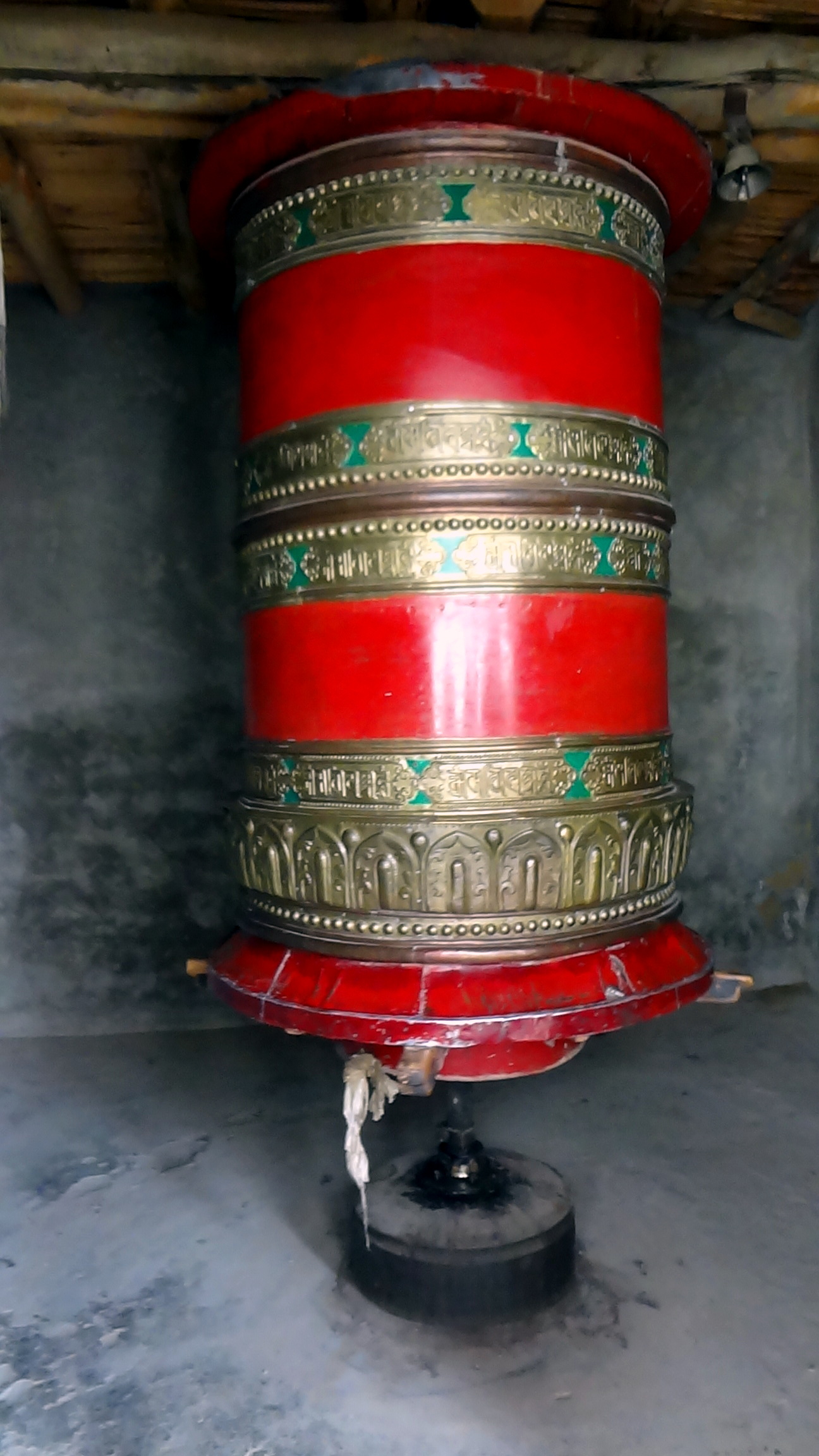
Prayer Wheel
More posts on Leh Diary to come soon… Comment below if you have anything to share.. Thanks 🙂 😀
 clickbychance